

Can Employer AI Surveillance Be Used Against You in a Workers’ Compensation Case?
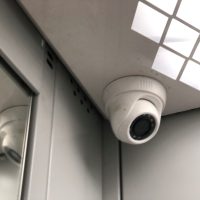
The short answer is “maybe.” The rise of AI-related technology has given employers new tools to make your workers’ compensation claim more difficult. The Riverside workers’ compensation lawyers at Heiting & Irwin can help level the playing field when you are facing off against a determined employer and their insurance company.
Employers and insurance companies may have an interest in minimizing or defeating your workers’ compensation claim. They may use enhanced tools that could give them means to contest your claim that include relying on artificial intelligence. This could complicate your claim (Of course, rules of evidence must be followed even regarding AI issues).
Whether you are filing an initial claim or responding to one that has been denied, the Riverside workers’ compensation attorneys at Heiting & Irwin can fight for you. Schedule a free initial consultation with a lawyer by calling us today at (951) 682-6400.
How Employers May Use AI to Monitor You in the Workplace
Your employer may possibly use AI to monitor the workplace in a number of ways:
- Video surveillance of the actual workplace that tracks the employee actions
- Computer vision systems that monitor job site activities
- Productivity monitoring software that tracks how the employee works
- Programs that track an employee’s social media activity
- Other methods and tools (that can change daily)
How Employers May Use AI Data to Fight Your Workers’ Compensation Claim
There are several ways that your employer may try to use this evidence against you. While California law allows you to receive workers’ compensation benefits for a job-related injury, there are some limitations. For example, if you acted recklessly or you intentionally ignored safety instructions, your claim could be imperiled. Your employer may use surveillance footage to back up their claims about what you may have done in the circumstances surrounding your accident. Further, an employer may use AI to reconstruct the actual accident that occurred when they are trying to blame you.
In addition, your employer may also continue to monitor you using AI once you have filed a workers’ compensation claim. For example, your employer can track your social media posts to see if you have posted anything that is inconsistent with the claims that you have made when filing for workers’ compensation. They may be looking for pictures, or descriptions, of physical activity that are inconsistent with limitations claimed.
But there are some limitations on your employer’s use of AI programs to conduct surveillance in the workplace (and there have been legislative attempts to expand these protections). Even though you are in a public place, you have a reasonable expectation of certain privacy as an employee. For example, your employer may need to inform you that you are being monitored in the workplace. They may be limited to collecting information that is necessary, and they may be restricted from monitoring you in certain areas. In the workers’ compensation context, they may be allowed to record the work area with advance notice, but they may not be allowed to record break rooms or the restroom. Each case is individual.
Footage May Not Be Fatal
The good news for Injured employees is that workers’ compensation is a no-fault system. Your employer may have video of the incident, or they may have painstakingly reconstructed the accident, but your own fault cannot be used to deny benefits under many circumstances. (There are limited exceptions, such as when you have been Reckless or have engaged in horseplay.)
Further, any hearing conducted at an appeal would look at various sources of evidence and not just one piece of proof that looks at one snippet in time. Even if an employer tries to take AI-based evidence out of context to present a certain picture, you have the ability to present the entire picture that can demonstrate you have suffered a job-related injury consistent with your described limitations / disabilities.
Nevertheless, you should be prepared for the fact that AI can be used against you in your workers’ compensation case. It may even lead to more initial claim denials, as employers now have more sources of evidence, including ones that they can possibly misinterpret and that can produce false positives. If your initial claim has been denied, you can file an appeal with the help of a Riverside workers’ compensation attorney who will present the full picture to an administrative law judge.
Contact a Riverside Workers’ Compensation Law Firm
When your employer claims to have evidence against you, it can make for a tougher workers’ compensation case. You can effectively deal with your employer and the insurance company by hiring a Riverside workers’ compensation lawyer at Heiting & Irwin. Visit our website or call us today at (951) 682-6400 to schedule a free initial consultation.